Backend / SaaS
Multi-Channel Automation & Subscription Platform
A production-oriented SaaS platform combining backend automation, subscriptions, scheduled jobs and multi-channel messaging integrations.
- Node.js
- Express
- MongoDB
- Mongoose
- Redis
- Passport JWT
- OAuth 2.0
- Stripe
- Twilio
- Slack
- Next.js
- React
- TypeScript
Architecture overview
// reliable boundaries
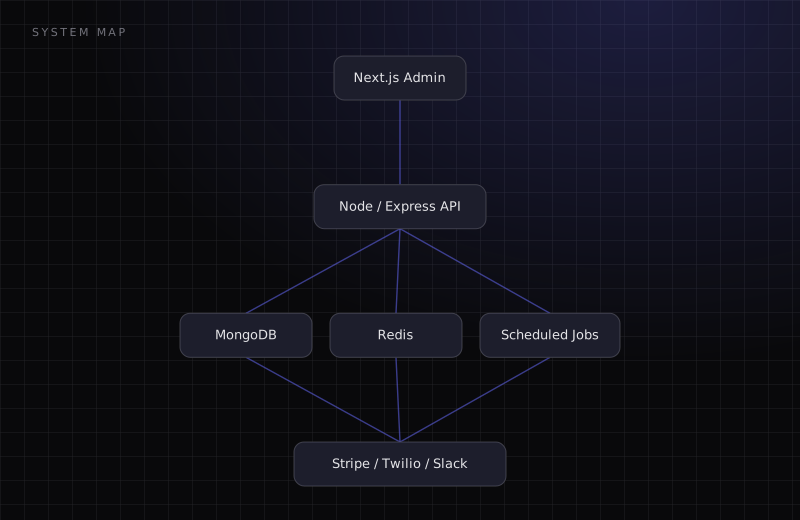
Next.js Admin
Node / Express API
MongoDB
Redis
Scheduled Jobs
Stripe / Twilio / Slack
Overview
This platform brings together subscription billing, scheduled background work and outbound messaging in a single backend. The administration interface sits on a Node.js API with a service-layer structure, while Redis, cron jobs and third-party providers handle caching, automation and delivery.
Technology Stack
- Node.js
- Express
- MongoDB
- Mongoose
- Redis
- Passport JWT
- OAuth 2.0
- Stripe
- Twilio
- Slack
- Next.js
- React
- TypeScript
Technical Implementation
- MVC + service-layer backend structure.
- JWT and refresh-token based authentication.
- Joi validation and centralized API error handling.
- OAuth 2.0 third-party integration flows with token health checks and refresh logic.
- Redis caching.
- node-cron scheduled background tasks.
- Stripe subscription and webhook flows.
- Twilio SMS / WhatsApp integration.
- Slack integration.
- Next.js / React / TypeScript administration interface.
Key Engineering Decisions
- Keep HTTP handlers thin and move business rules into a service layer so integrations stay replaceable.
- Use refresh tokens alongside JWT so admin sessions can continue without storing long-lived access tokens.
- Centralize validation and error mapping to keep API responses consistent across messaging and billing routes.
- Treat OAuth tokens as operational state: health checks and refresh logic sit next to the integration clients.
- Drive Stripe through webhooks rather than only polling, so subscription state stays aligned with the provider.